
Are Cracks in Brickwork a Problem?
Cracks in brickwork are one of the most common findings in Perth homes, and a common worry for buyers and owners. Many cracks are minor and cosmetic, but some point to footing movement, a drainage or plumbing problem, or a corroding steel lintel. The type, width and pattern of a crack, and whether it is changing, determine whether it needs attention.
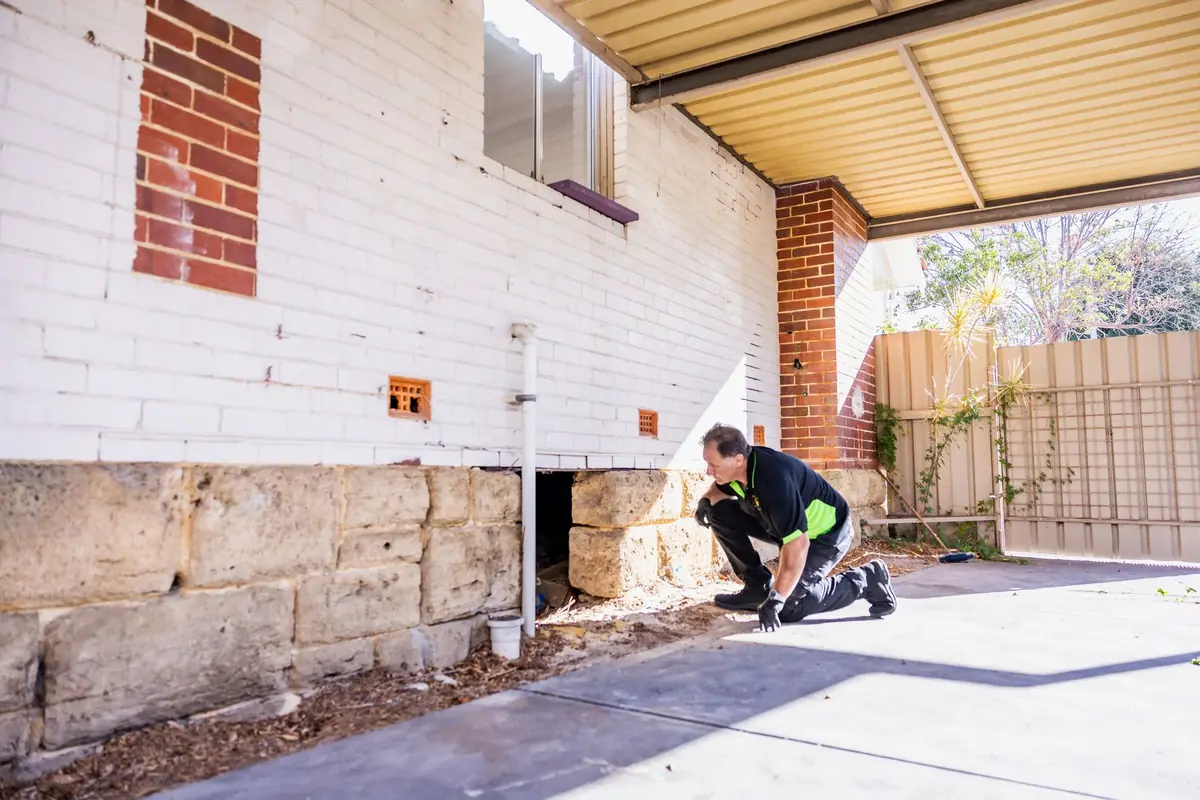
Hairline cracks and wider cracks
Crack width is the starting point for assessing damage to masonry walls. The residential footings Standard, AS 2870, classifies wall damage by approximate crack width:
- Hairline cracks, less than 0.1 mm wide, are considered negligible.
- Fine cracks, less than 1 mm wide, generally do not need repair.
- Cracks less than 5 mm wide are noticeable but can usually be filled, and doors and windows may stick slightly.
- Cracks of about 5 mm to 15 mm, or a group of cracks 3 mm or wider, usually need repair, possibly including replacing some brickwork.
- Cracks of about 15 mm to 25 mm indicate severe damage.
Width is not the whole story. Location, pattern, displacement and whether the crack is growing all matter.
Stepped cracking
Stepped cracks follow the mortar joints in a diagonal staircase pattern. They often indicate that part of the wall has moved relative to the rest, usually because the footings have moved unevenly. Fine, stable stepped cracks may be minor, but wider stepped cracks, or cracks through the bricks themselves, warrant investigation.
Cracks near windows and doors
Window and door openings are natural weak points, so cracks often start at their corners. They can be caused by footing movement or by a corroding steel lintel above the opening. As steel rusts it expands, which can crack and lift the brickwork above a window or door. Homes near the coast, exposed to salt-laden air, can be more susceptible. Rust staining, horizontal cracking along the lintel line and lifted bricks are typical signs.
In coastal suburbs, lintels and other exposed steelwork are checked for corrosion as part of building inspections in Mandurah and elsewhere along the coast.
Common causes of cracking in Perth homes
Soil type
Much of the Perth coastal plain is sand, which is generally stable when moisture is well managed. Some areas, including parts of the eastern suburbs and the foothills, have clay soils that swell when wet and shrink as they dry. On these reactive clay sites, seasonal changes in soil moisture can cause footings to move, which often shows up as cracking in brickwork.
Leaking plumbing and stormwater near footings
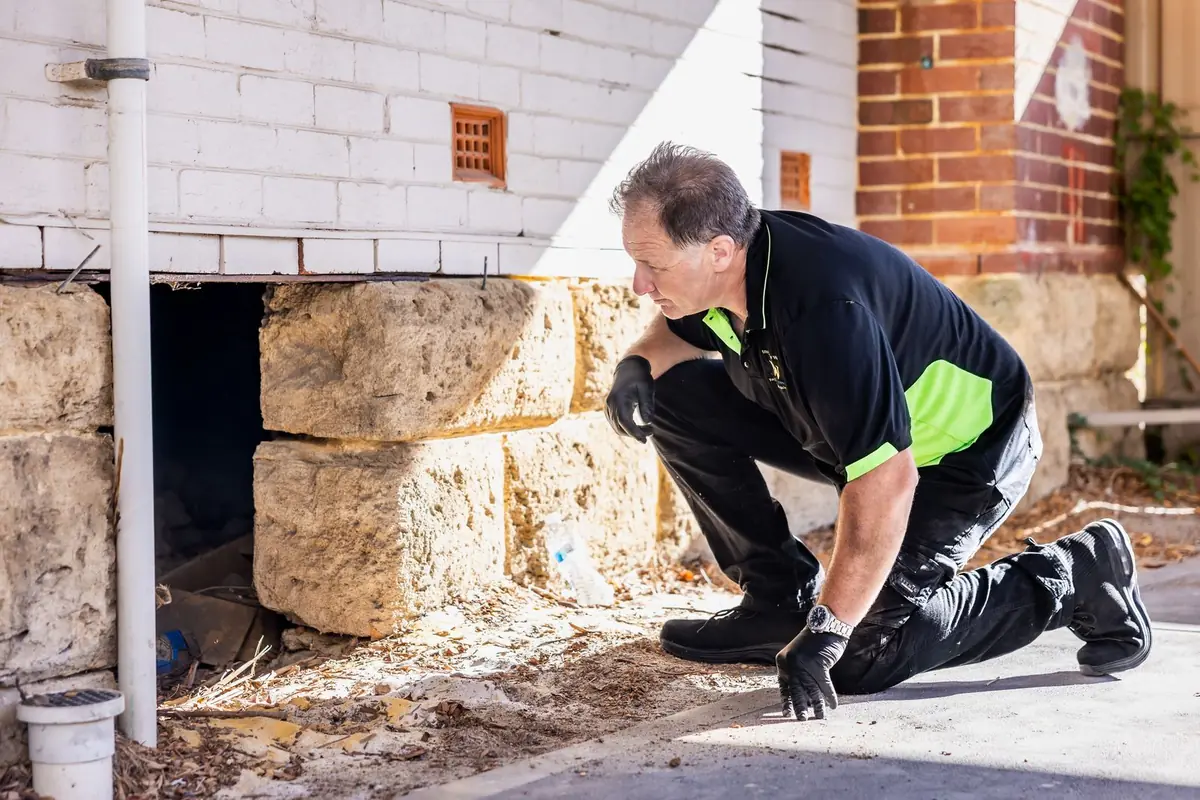
Leaking water pipes, sewer pipes, stormwater drains and garden taps can wash away sand from beneath footings, or saturate and soften clay. Disconnected downpipes and overflowing gutters can also concentrate water against the footings.
Poor site drainage
Ground sloping towards the house, garden beds built against walls and over-watering from reticulation can keep the soil around the footings wet. Paving that falls away from the building helps keep water clear.
Tree roots
Trees and large shrubs close to the house can affect footings in two ways. Roots growing beneath footings can exert upward pressure, and on clay soils, roots can draw moisture from the soil and cause it to shrink.
Thermal and moisture movement
All building materials move. Clay bricks expand slowly over time, and walls respond to temperature and moisture changes. Where control joints are missing, or different materials meet, this can cause cracking unrelated to the footings.
When is a crack cosmetic, and when does it need an engineer?
Research published by CSIRO notes that most cracking in masonry walls is a cosmetic nuisance only. Fine cracks that are stable, with no displacement and no related symptoms, can often be filled or monitored as part of normal maintenance.
A structural engineer’s assessment is recommended where:
- Cracks are wider than a few millimetres, or there are several significant cracks in the same area.
- Cracks are growing or reopening after repair.
- Brickwork has moved out of line, is bulging or leaning, or bricks have displaced.
- Doors and windows are distorting or jamming.
- Cracking is accompanied by signs of leaking plumbing or water pooling against the house.
The engineer can identify the cause and recommend repairs. Fixing the cause, such as a leaking pipe, usually needs to come before repairing the cracks.
Monitoring cracks over time
Whether a crack is active is often more important than its width on any one day. A simple way to monitor a crack is to:
- Photograph it with a ruler or crack gauge alongside for scale.
- Mark the ends of the crack with a pencil and date.
- Measure and record the width at the same points every few months, and after heavy rain or long dry spells.
Because soil moisture changes with the seasons, monitoring over at least 12 months gives the clearest picture. A crack that widens, lengthens or reopens suggests ongoing movement and should be assessed.
What a building inspector reports on
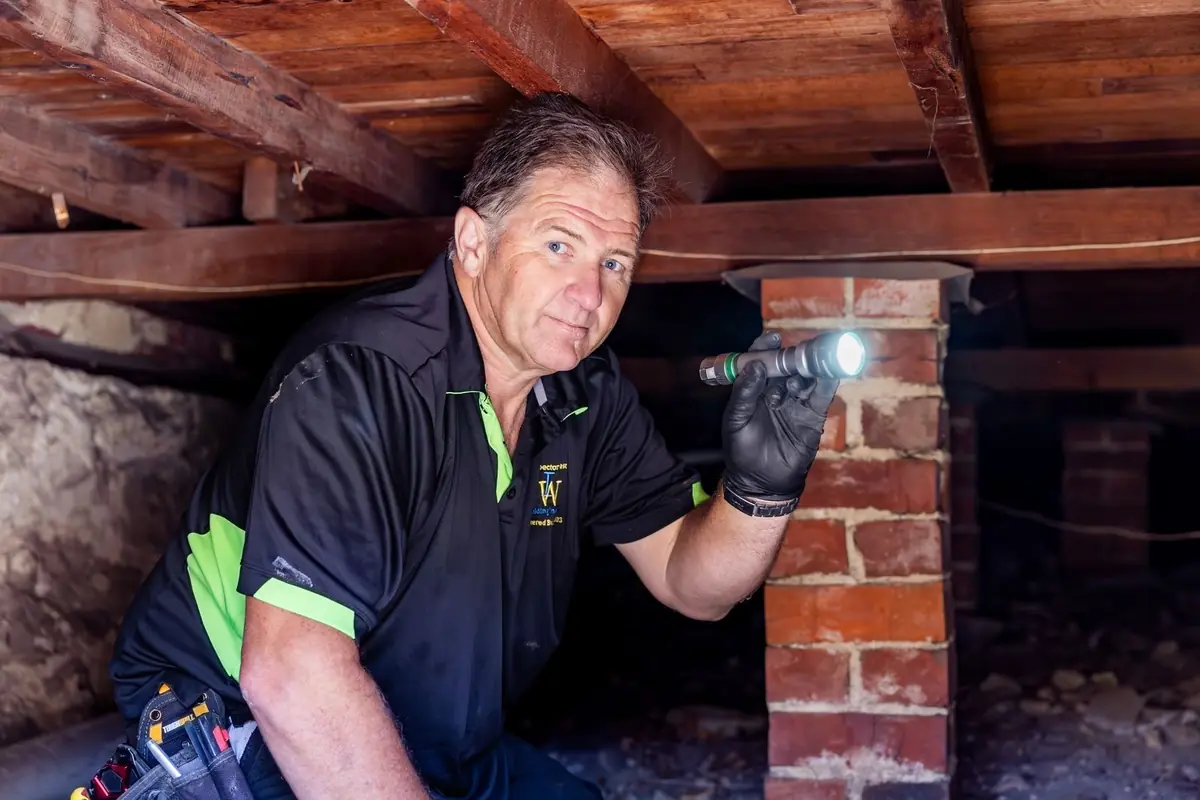
During a building inspection carried out with reference to AS 4349.1, visible cracking is recorded with its location and approximate size. The report notes whether it is considered a minor or major defect, identifies likely contributing factors such as poor drainage or leaking downpipes, and recommends a structural engineer where warranted.
A building inspection is visual, so footings below ground and wall cavities cannot be seen. Where the cause cannot be confirmed visually, the report recommends the appropriate specialist.
Cracks in brickwork FAQs
Are hairline cracks in brickwork normal?
Hairline and fine cracks are common in brick homes and are often cosmetic, but they should be monitored to confirm they are not growing.
What does stepped cracking in brickwork mean?
Stepped cracking follows the mortar joints in a staircase pattern and often indicates uneven movement in the footings. Fine, stable stepped cracks may be minor, but wider or growing cracks should be assessed by a structural engineer.
Why are there cracks above my windows?
Cracks above windows and doors can be caused by footing movement or by a corroding steel lintel, which expands as it rusts and lifts the brickwork. Rust staining and horizontal cracking along the lintel line are typical signs of lintel corrosion.
Should I buy a house with cracks in the brickwork?
Many homes have some cracking. A pre-purchase building inspection identifies the extent and likely significance of visible cracking, and recommends an engineer’s assessment where needed, before the contract becomes unconditional.
Book a building inspection
Inspector West carries out pre-purchase building inspections, structural inspections and building defect reports across Perth, Rockingham, Mandurah, Peel and regional areas. Every inspection is carried out by Brian Collins, a WA registered builder (registration BC13603) with more than 33 years of building experience, and reports are usually delivered the same day.
For more information, see the Pre-Purchase Inspections, Building & Timber Pest Inspections Perth and Building Defect and Dispute Reports Perth pages, or call 1300 080 554, email brian@inspectorwest.com.au or use the Contact page to book.