
Dilapidation Reports Perth
Inspector West prepares pre-construction and post-construction dilapidation reports for properties next to demolition, excavation and building work across Perth, Rockingham, Mandurah and the Peel region. Each report is prepared by Brian Collins, a WA registered building contractor (BC13603) and building practitioner (BP13603) with more than 33 years of building experience.
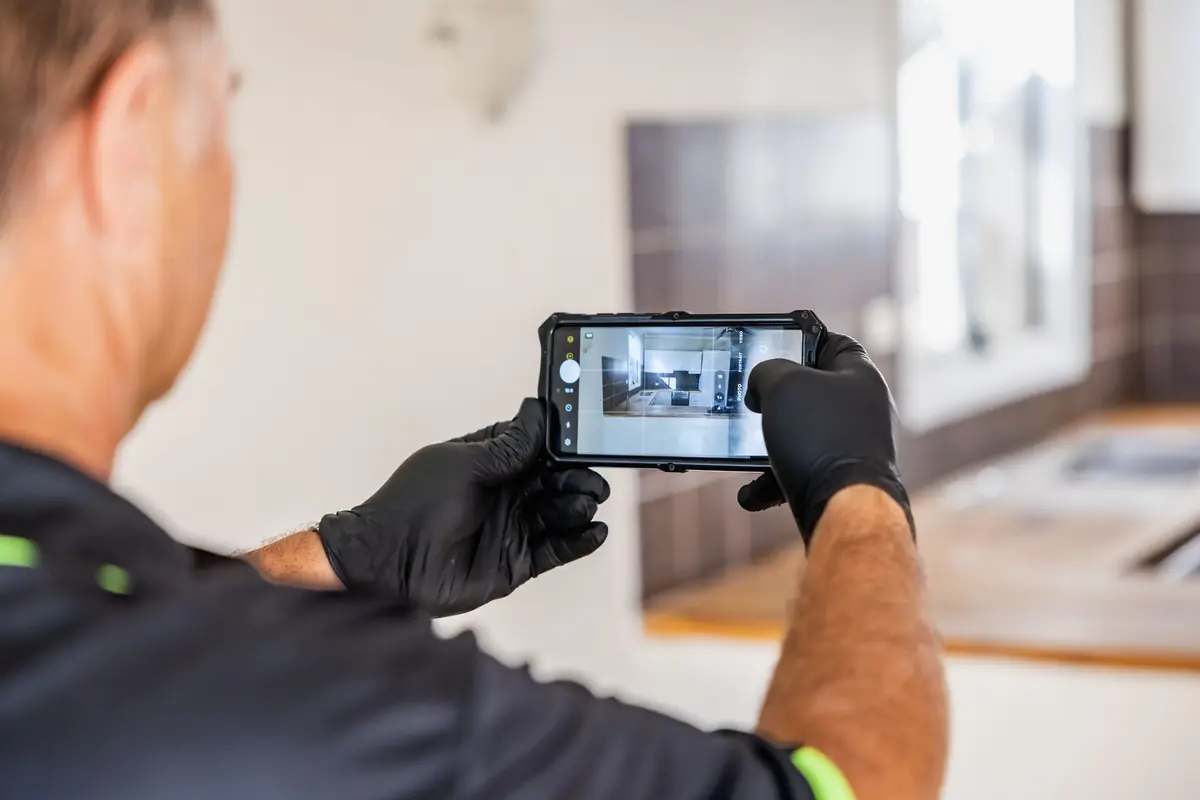
A dilapidation report is a dated, photographic record of a building’s condition. Completed before work starts and again after it finishes, it gives builders and neighbours clear evidence of whether any damage occurred during construction, so concerns can be resolved quickly and fairly.
Who needs a dilapidation report
- Builders and developers carrying out infill, duplex, townhouse and knockdown-rebuild projects next to occupied homes.
- Demolition, excavation, piling, pool and retaining wall contractors working close to a boundary.
- Homeowners about to renovate, extend or build near a boundary who want a record of the neighbouring property before work begins.
- Neighbours who have received a notice about proposed work and want an independent record of their own home.
- Councils and public authorities recording the condition of roads, verges or other assets near a site.
Pre-construction and post-construction reports
A pre-construction report records the condition of the neighbouring property before any demolition, excavation or construction starts. Ideally it is completed, and a copy offered to the property owner, before work begins.
A post-construction report is carried out once the work is finished. The property is re-inspected and compared with the original report, so any new or worsened cracking or other change can be clearly identified. Builders often order reports for several neighbouring properties at once, such as both sides and the rear, and these can usually be inspected in a single visit.
What is inspected
With the owner’s permission, and where safely accessible, the inspection records:
- External walls, brickwork and render, including existing cracks with their locations and approximate widths.
- Internal walls, ceilings, cornices and floors, including tiles and floor coverings.
- Doors and windows that stick, bind or show signs of movement.
- Roofs, gutters and downpipes, where visible from safe vantage points.
- Boundary fences, retaining walls, paving, driveways, pools and outbuildings.
- Verges, kerbs and footpaths next to the site.
Any material suspected of containing asbestos is noted for specialist assessment only. Inspector West does not test for or identify asbestos.
What the report includes
- The property address, date and time of inspection, and weather conditions.
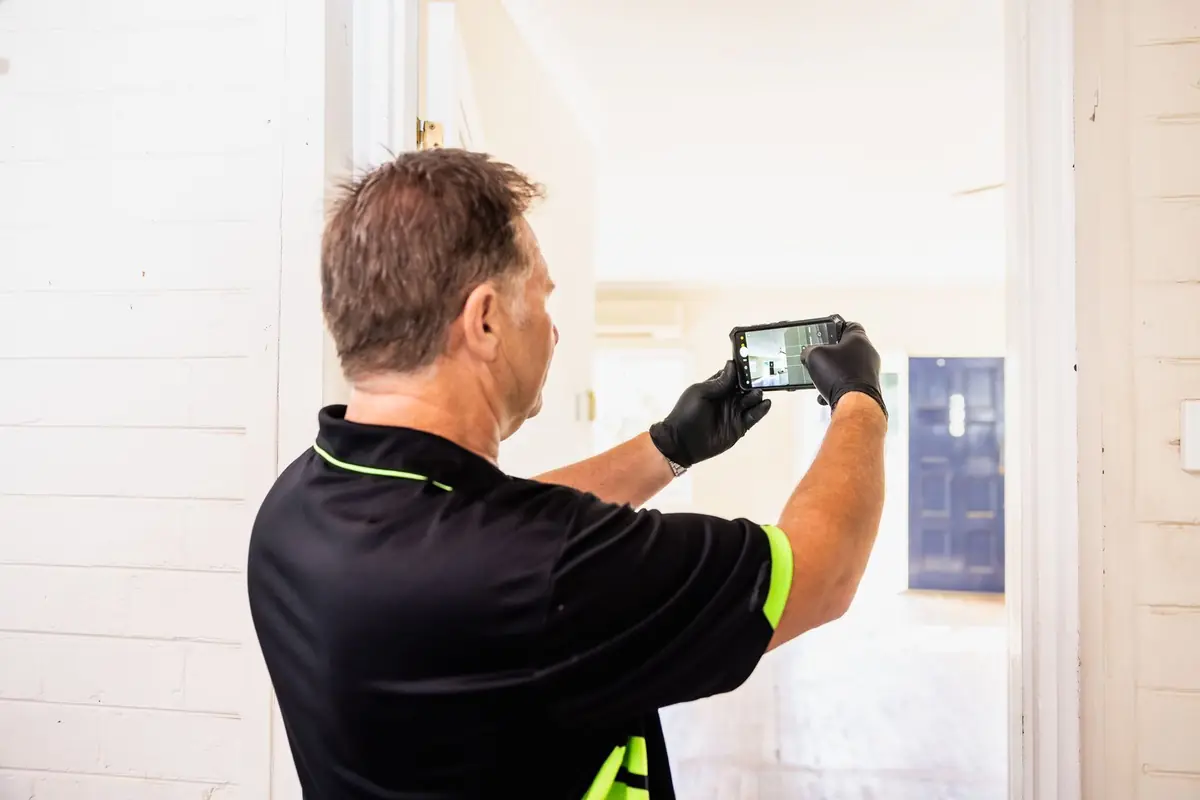
- A comprehensive, dated photographic record organised by elevation and room.
- Descriptions of existing defects, including crack locations and approximate widths.
- Reference notes so each finding can be relocated at the post-construction inspection.
- For post-construction reports, a comparison identifying any changes since the first inspection.
Reports are photo-based and are usually delivered on the same day for standard residential properties, so work can start on schedule.
When a dilapidation report is needed in WA
Under Part 6 of the Building Act 2011 (WA), building or demolition work that will encroach on, or adversely affect, neighbouring land needs the written consent of each affected owner or an order from the Magistrates Court. Adversely affecting land includes reducing the stability of the land or a building, damaging a structure, or changing site drainage in a way that makes it less effective. Owners are asked for consent using the Building and Energy notice and request form (BA20), and a building or demolition permit will not be granted without the consent or court order.
The Building Act does not itself require a dilapidation report, but a report completed before work starts is the most practical way for both parties to agree on the condition of the neighbouring property. Some local governments also include dilapidation requirements in planning approvals or construction management plan conditions, so builders should check their approval documents.
Why Inspector West
- Reports are prepared by a WA registered building contractor (BC13603) and building practitioner (BP13603), registered since 2011, with more than 33 years of building experience and a practical understanding of how construction work affects neighbouring structures.
- Reports are impartial and factual. They record condition without taking sides, so they are useful to builders and neighbours alike.
- Prompt scheduling and same-day reports for standard homes help keep projects on program.
- Multiple neighbouring properties can be inspected in one visit.
Areas served and quotes
Dilapidation reports are available across the Perth metropolitan area, from Joondalup to Mandurah and out to the hills, including Rockingham, Baldivis and Kwinana, and throughout Mandurah, Pinjarra and the Peel region. Regional areas, including Bunbury, are available by arrangement. See the Perth and Mandurah pages for local information.
A fixed quote is provided before work begins, based on the number of properties, their size and type, and whether a post-construction comparison is required. Call 1300 080 554 or 0409 280 488, email brian@inspectorwest.com.au, or request a quote with the site address and the addresses of the neighbouring properties.
Related services: Strata Building Reports, Building Defect and Dispute Reports, Commercial Building Inspections and the full list of Services.
Dilapidation report FAQs
What is a dilapidation report?
A dilapidation report is a dated photographic and written record of a property’s condition, completed before nearby demolition, excavation or construction begins. A post-construction report then compares the property after the work to identify any changes.
Is a dilapidation report a legal requirement in WA?
The Building Act 2011 does not require a dilapidation report as such. It does require the consent of an affected neighbour, or a court order, for work that will adversely affect their land, and some councils include dilapidation conditions in approvals. A report is the most practical way to record condition before work starts.
Who pays for a dilapidation report?
The report is usually commissioned and paid for by the builder, developer or owner carrying out the work. Neighbours may also commission their own report if they want an independent record of their property.
How long does a dilapidation inspection take?
Most standard homes take around one to two hours on site, depending on size and access. Reports for standard residential properties are usually delivered on the same day.
Do you need access inside the neighbouring home?
Internal access gives the most complete record and is arranged with the owner’s permission. If internal access is declined, the areas visible from the site or public areas can still be recorded, and the limitation is noted in the report.
Can you inspect several neighbouring properties at once?
Yes. Builders often order reports for both side neighbours and the rear property. These can usually be inspected in a single visit, and a fixed quote covering all properties is provided before work begins.