
Signs of Termites in Perth Homes
Termites are a genuine risk to homes across the Perth metropolitan area, in established suburbs and new estates alike. Because they work out of sight inside timber, wall cavities and roof spaces, significant damage can occur before anyone notices. Knowing the warning signs, and arranging regular timber pest inspections, gives owners and buyers the best chance of finding activity early.
Common signs of termite activity
Subterranean termites, which live in or connected to the soil, are the type most commonly found in Australia and are responsible for most structural damage. These are the signs to look out for.
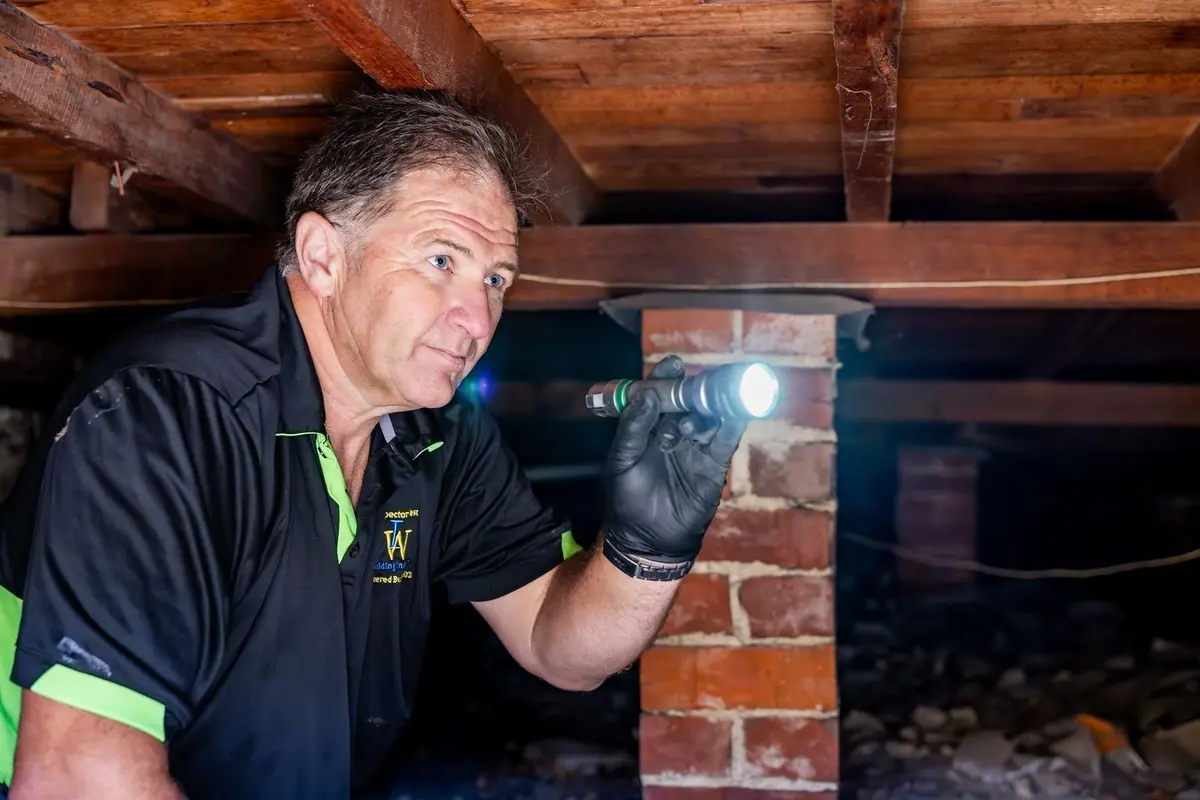
Mud leads and tunnels
Subterranean termites need moisture and protection from open air, so they build tunnels of soil and saliva, often called mud leads. These can appear running up footings, slab edges, walls, piers or timber posts. Often the first visible sign of termites is a thin mud tunnel on timber.
Hollow-sounding or damaged timber
Termites eat timber from the inside, often leaving a thin outer surface intact. Skirting boards, door frames, architraves and other timbers may sound hollow when tapped, or feel soft or crumble when pressed.
Bubbling paint and wall discolouration
Termites working behind a painted surface can cause paint to bubble, blister or look uneven. Slight discolouration of a wall surface, or warping of timber panelling, can also be an early indicator.
Doors and windows that start to stick
Termite activity around door and window frames can cause them to become distorted, so doors and windows that suddenly begin to stick or jam may warrant a closer look. Moisture and building movement can have the same effect, so a professional inspection is recommended.
Mud packing, debris and frass
Subterranean termites often pack their workings with soil, so mud appearing in cracks, joints or gaps in timber or plaster can be a warning sign. Small pellet-like droppings, known as frass, are more typically associated with drywood termites.
Swarms and discarded wings
Mature termite colonies release winged reproductives, called alates, to start new colonies. These swarms usually occur in the warmer months, from spring into summer, often at dusk on warm, humid evenings. Termite alates shed their wings soon after landing, so small piles of discarded wings near windows, doors and light fittings are worth noting. Flying termites can be distinguished from flying ants by their straight rather than elbowed antennae.
Conditions that increase termite risk in Perth homes
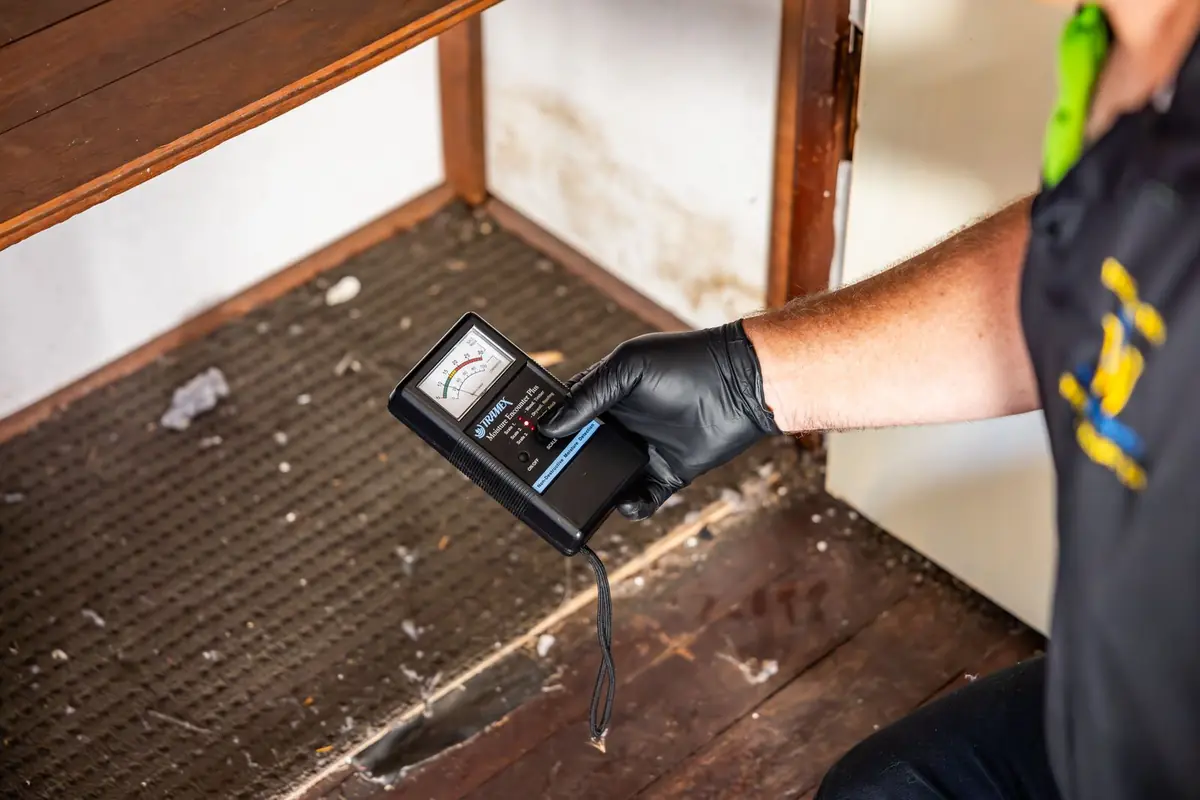
Termites are attracted to moisture and accessible timber. Common conditions around Perth homes that increase the risk include:
- Leaking taps, hot water system overflows, plumbing leaks and roof leaks that keep areas damp.
- Poor drainage, including downpipes that discharge beside the house.
- Garden beds, mulch and soil built up against external walls, which can hide termite entry and bridge termite barriers.
- Soil or garden beds blocking weep holes or subfloor vents.
- Timber retaining walls, sleepers and garden edging, particularly untreated timber.
- Firewood and other materials stored against the house.
- Timber posts, pergolas, fences or decks in contact with the ground or attached to the house without protection.
- Dead trees and old stumps left on the property.
Termite management systems installed during construction can also be bridged or damaged over time by landscaping, paving and later building work. Newer homes are required to have termite risk management installed during construction, and a durable notice recording the system, often located in the meter box, provides details of the system and its recommended inspections.
What to do if you find signs of termites
If you find termites or suspected termite activity, the most important rule is not to disturb them. In particular:
- Do not spray them with household insecticide.
- Do not break open mud leads or remove damaged timber.
- Do not attempt a do-it-yourself treatment.
Disturbing termites can cause them to move to another part of the building, which makes them harder to locate and treat. Leave the area as it is, note where the activity was found, and arrange a timber pest inspection. Where treatment is required, it should be carried out by a licensed pest management technician.
Why regular timber pest inspections matter
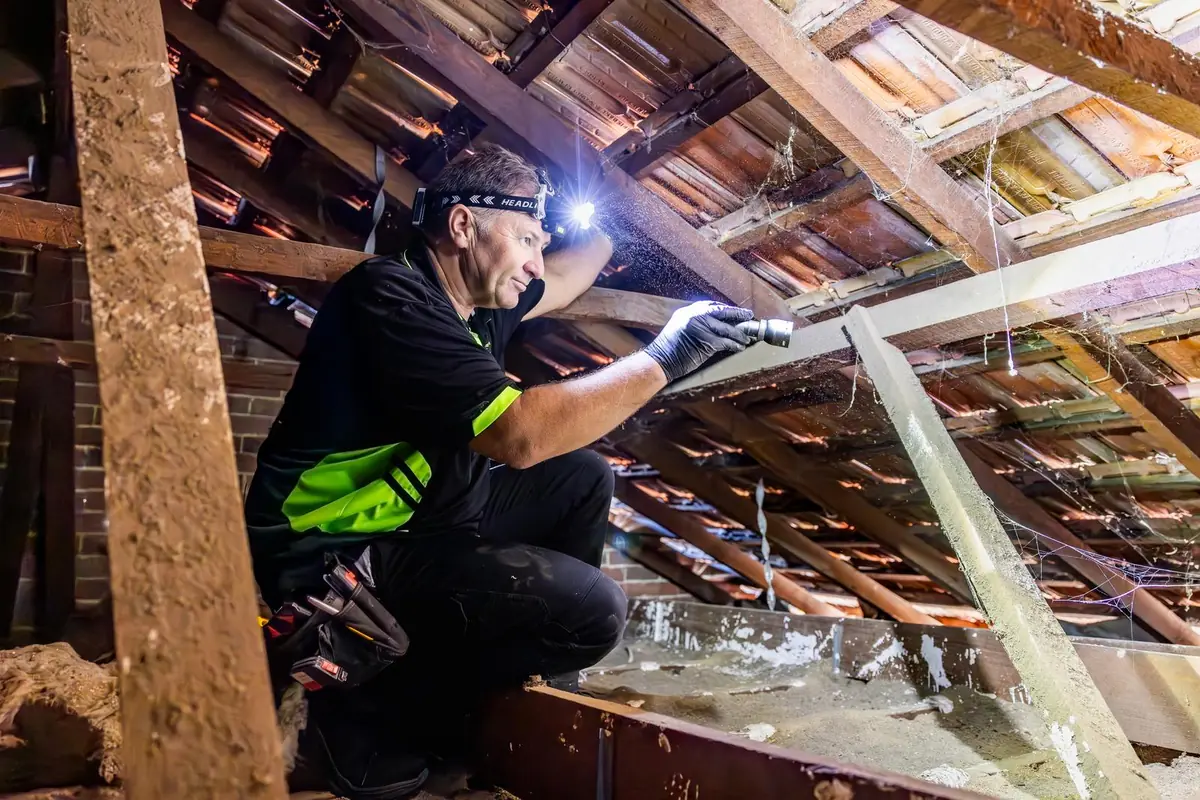
Termite damage is often concealed, so regular professional inspections are the most reliable way to detect activity early. Australian Standard AS 3660.2 recommends that buildings be inspected for termites at intervals of no more than 12 months, and more frequently where the risk is higher. The WA Government’s Building and Energy advice also recommends a professional termite inspection at least once a year.
A timber pest inspection carried out with reference to AS 4349.3 looks for evidence of termite activity and damage, borers of seasoned timber and wood decay fungi, along with conditions that make the property more vulnerable.
Buying a home in Perth?
Termite damage is not always obvious during a home open, so a timber pest inspection before the contract becomes unconditional is strongly recommended. Inspector West offers timber pest inspections on their own or combined with a building inspection in a single visit. A combined building and timber pest inspection is priced from $550 including GST, depending on location. See the Pre-Purchase Inspections page for more detail.
Termite FAQs
When do termites swarm in Perth?
Termite swarms usually occur in the warmer months, from spring into summer, often at dusk on warm, humid evenings.
Should I spray termites if I find them?
No. Spraying or disturbing termites can cause them to move elsewhere in the building, making them harder to find and treat. Leave them undisturbed and arrange a professional inspection.
How often should I have a termite inspection?
Australian Standard AS 3660.2 recommends termite inspections at intervals of no more than 12 months, and more often in high-risk situations, such as where there has been previous termite activity or where conducive conditions are present.
Can new homes get termites?
Yes. Termite management systems reduce the risk but do not guarantee protection, and they can be bridged by landscaping, garden beds or later building work. Regular inspections are recommended for new and established homes.
Does a building inspection check for termites?
A standard building inspection does not assess timber pests in detail. A separate timber pest inspection, which can be combined with a building inspection in one visit, is recommended.
Book a timber pest inspection
Inspector West carries out timber pest inspections and combined building and timber pest inspections across Perth, Rockingham, Mandurah, the Peel region and regional areas, with reports usually delivered the same day. Every inspection is carried out by Brian Collins, a WA registered builder (registration BC13603) with more than 33 years of building experience.
Owners and buyers in the Peel region can find local information on building and pest inspections in Mandurah.
For more information, see Building & Timber Pest Inspections Perth, or call 1300 080 554, email brian@inspectorwest.com.au or use the Contact page to book.