
What Does a Building Inspection Include in WA?
A pre-purchase building inspection is one of the most useful steps in buying a home in Western Australia, yet many buyers are unsure what the inspector looks at and what falls outside the inspection. This guide explains how a standard building inspection works in WA and how to use the report.
The Australian Standard behind a building inspection
Pre-purchase building inspections on residential properties are carried out with reference to Australian Standard AS 4349.1, Inspection of buildings, Part 1: Pre-purchase inspections, Residential buildings. The Standard sets out the minimum scope of the inspection and what the report must contain.
The inspection is a visual assessment of the accessible parts of the property. Its purpose is to identify major defects and to form an opinion on the general condition of the property at the time of inspection. It is not a guarantee that the home is free of defects, and it does not involve dismantling, cutting into or damaging the building.
Areas a building inspection covers
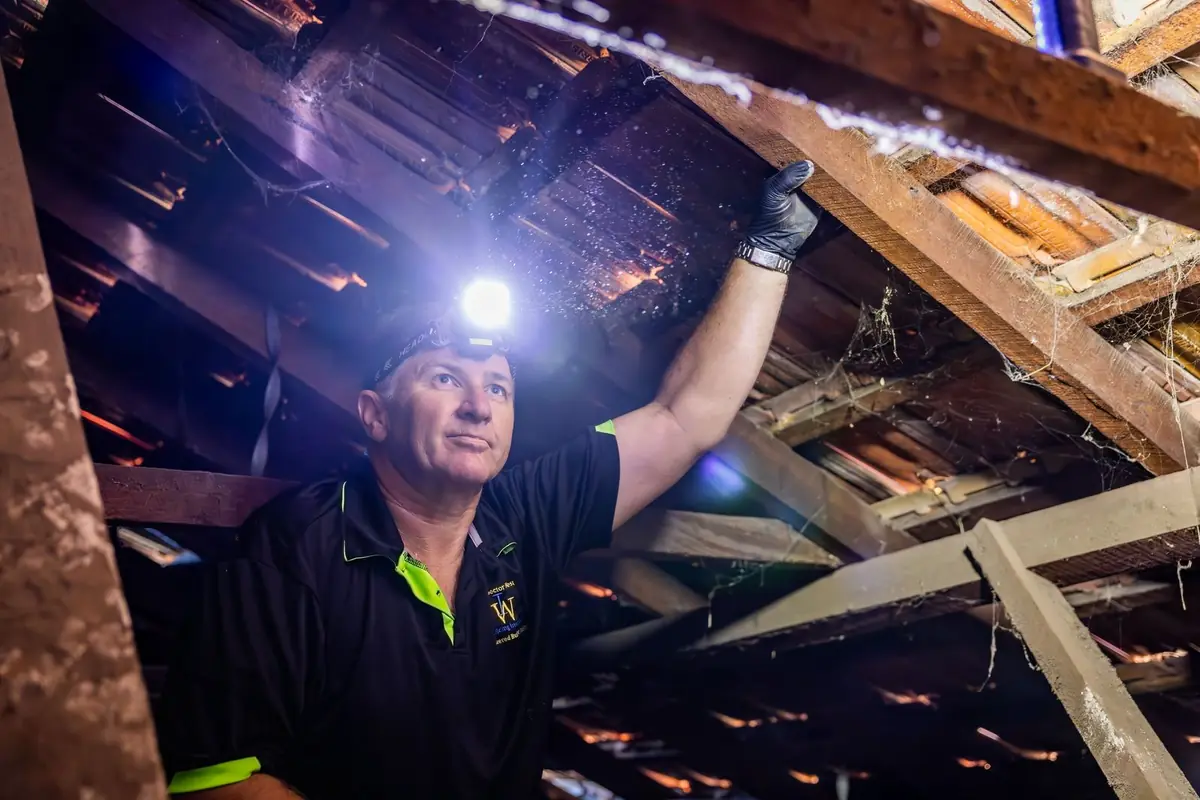
Where safe and reasonable access is available, a building inspection covers:
- The site. Relevant features within 30 metres of the main building and within the property boundaries, including garages and carports, sheds, retaining walls more than 700 mm high, paths, driveways, steps, fencing, and surface water drainage.
- The exterior. External walls, eaves, windows, doors, patios, verandahs and balconies.
- The roof exterior. Roof coverings, ridge capping, flashings, gutters and downpipes.
- The roof space. Roof framing, the underside of the roof covering and signs of leaks, where the roof space can be safely entered.
- The subfloor. Framing, supports, ventilation and dampness, where the home has an accessible subfloor. Many Perth homes are built on concrete slabs, so there is often no subfloor to inspect.
- The interior. Walls, ceilings, floors, doors, windows, stairs and wet areas.
- Outbuildings. Detached structures such as garages, laundries and sheds within 30 metres of the main building.
Any area that cannot be inspected, for example because of locked doors, stored belongings or unsafe access, is noted in the report.
What a standard building inspection does not cover
Because the inspection is visual and non-invasive, some items fall outside its scope. These include:
- Concealed areas, such as the inside of wall cavities, areas under floor coverings, and footings below ground.
- Compliance of electrical, plumbing and gas installations. These require a licensed electrician, plumber or gas fitter.
- Swimming pools, spas and their equipment.
- Asbestos. The Standard does not require the inspector to identify asbestos. If a material is suspected of containing asbestos, testing by a qualified specialist is recommended.
- Timber pests, which are covered by a separate timber pest inspection.
Major defects, minor defects and safety hazards
AS 4349.1 defines a major defect as a defect of sufficient magnitude that rectification is needed to avoid unsafe conditions, loss of utility or further deterioration of the property. Examples can include significant structural cracking, failed waterproofing or a deteriorated roof structure.
A minor defect is any defect that is not a major defect, such as deteriorating paintwork, small cracks in finishes or worn fittings. Rather than listing every blemish, the report gives a general impression of the extent of minor defects.
Safety hazards are identified clearly so they are not overlooked. Examples include unsafe balustrades, trip hazards and structural members at risk of failure.
How a timber pest inspection is different
A timber pest inspection is carried out with reference to AS 4349.3. It focuses on evidence of subterranean termites, borers of seasoned timber and wood decay fungi, as well as conditions that make a property more vulnerable, such as excess moisture, poor drainage, timber in contact with the ground and termite barriers that have been bridged or obstructed.
Termites are active across Perth, so a combined building and timber pest inspection is usually the most practical choice for buyers. Both inspections can be completed in a single visit.
The same combined inspection is available to buyers in the Peel region, as outlined on the building and pest inspections in Mandurah page.
How to read your inspection report
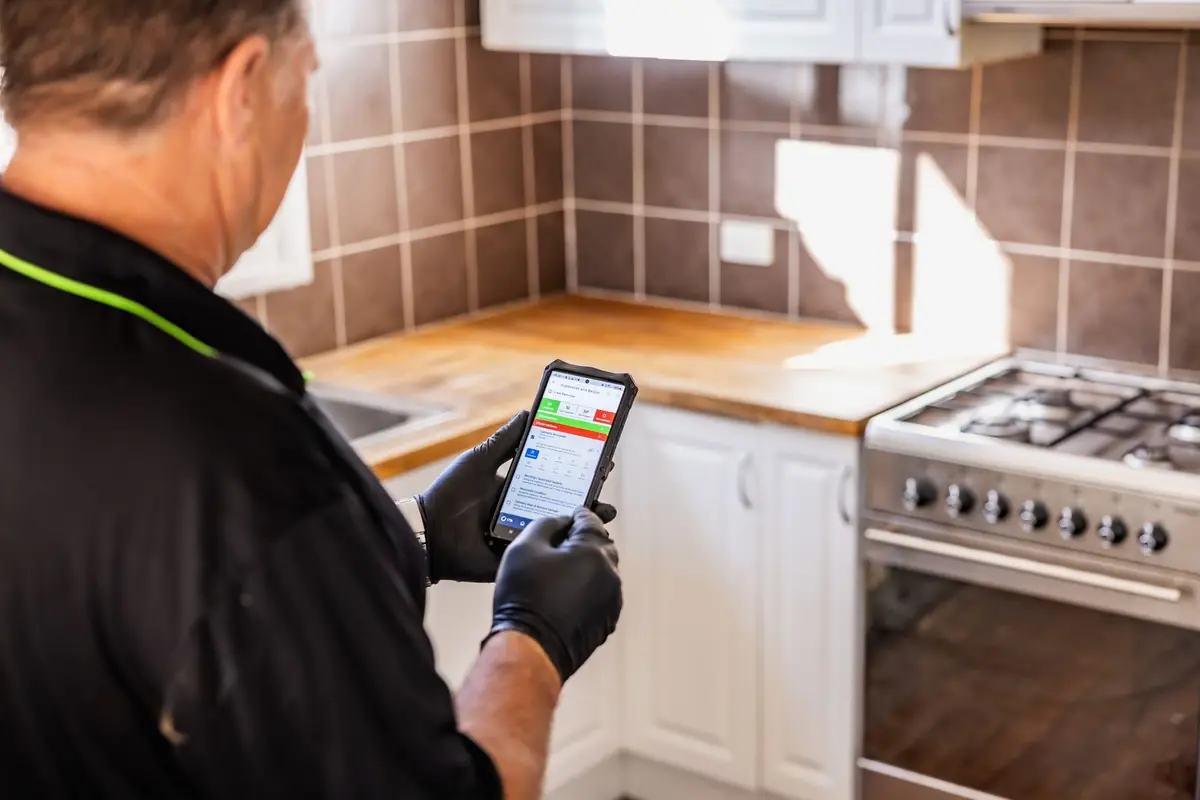
A good report is organised so the most important information is easy to find. When reading it:
- Start with the summary, which highlights major defects and safety hazards.
- Check the list of areas not inspected or with limited access, as these may warrant further investigation.
- Look at the photographs alongside each finding to understand its location and extent.
- Note any recommendations for a specialist, such as a plumber, electrician or structural engineer.
- Ask questions. A reputable inspector will explain the findings and their significance.
When to book a building inspection in WA
There is no mandatory cooling-off period for real estate contracts in Western Australia. Once an Offer and Acceptance is signed by both parties, it becomes a binding contract, so buyers usually protect themselves by making the offer subject to a building inspection and a timber pest inspection.
These conditions set deadlines for obtaining the report and notifying the seller of any issues, and the timeframes are often short. The standard building inspection condition used in many WA contracts is focused on major structural defects, so buyers should check its wording with their settlement agent or lawyer before signing. It is best to contact an inspector as soon as the offer is accepted, or before making an offer if the market is moving quickly.
Building inspection FAQs
Does a building inspection include a pest inspection?
No. A building inspection under AS 4349.1 does not assess timber pests in detail. A separate timber pest inspection under AS 4349.3 is needed, and the two can be combined in one visit.
Will a building inspection tell me if the electrics and plumbing are compliant?
No. A building inspection is a visual assessment of the building’s condition. Compliance of electrical, plumbing and gas installations must be checked by a licensed tradesperson.
Is there a cooling-off period when buying a home in WA?
There is no mandatory cooling-off period for real estate contracts in WA. Buyers usually include building and pest inspection conditions in the Offer and Acceptance to allow time for an inspection.
How much does a building inspection cost?
A combined building and timber pest inspection is priced from $550 including GST, depending on location. Other inspections are quoted on request, based on the property type, size and location.
Book a building inspection
Inspector West provides building and timber pest inspections across Perth, Rockingham, Mandurah, the Peel region and regional areas. Every inspection is carried out by Brian Collins, a WA registered builder (registration BC13603) with more than 33 years of building experience, and reports are usually delivered the same day.
Learn more on the Pre-Purchase Inspections and Building & Timber Pest Inspections Perth pages, or call 1300 080 554, email brian@inspectorwest.com.au or use the Contact page to book.