
What to Look for in a Strata Report
Buying a strata property means buying into a community as well as a home. A buyer takes on a share of the costs of maintaining the common property, is bound by the scheme’s by-laws, and inherits any issues the strata company is already dealing with. Reviewing the strata records, and inspecting the lot itself, helps buyers understand what they are taking on.
This article is general information only and is not legal advice. Buyers should seek advice from their settlement agent or lawyer on their own circumstances.
Strata records in WA

Strata schemes in Western Australia are governed by the Strata Titles Act 1985, which was substantially amended in 2020. Before a buyer signs a contract for a strata lot, the seller must provide certain information, including the scheme documents (such as the scheme plan and by-laws), the minutes of the most recent annual general meeting and any later extraordinary general meetings, the most recent statement of accounts, the estimated levies for the lot and details of any amount owed by the seller to the strata company.
The strata company must also keep records such as meeting minutes, financial records, correspondence and, where required, its 10-year plan. An owner, a mortgagee or a buyer who has signed a contract for a lot can apply in writing to inspect these records, on payment of a small prescribed fee. Many buyers engage a strata search provider or their settlement agent to review the records and prepare a strata records report.
Minutes of AGMs and council meetings
The minutes are often the most revealing part of the records. Look for:
- Repeated discussion of the same repair issues, such as roof leaks, balcony waterproofing, concrete deterioration or cracking.
- Quotes obtained, or works proposed, that have not yet been approved or funded.
- Disputes between owners, or between owners and the strata company.
- Proposals to change by-laws, carry out major works or raise additional levies.
Landgate notes that the minutes can help buyers understand the level of cooperation within a strata community and any upcoming costs, such as major repairs.
The reserve fund and 10-year plan
In WA, a strata company for a scheme with 10 or more lots, or with a replacement value above a set threshold, must have a reserve fund and a 10-year plan. The plan sets out the common property expected to need non-routine maintenance, repair or replacement over the next 10 years, with estimated costs, and must be reviewed at least every five years. Smaller schemes may choose to have a reserve fund but are not required to.
Consider:
- Whether a current 10-year plan exists where one is required.
- Whether the reserve fund balance appears adequate for the works forecast in the plan.
- Whether major items, such as roof replacement, painting or lift upgrades, are coming up soon.
A low reserve fund combined with significant upcoming works can mean higher levies or a special levy in the future.
Levies and special levies
Check the current levies for the lot and how they have changed over recent years. Look for any special levies raised or proposed for particular works, and confirm who pays any levy falling due around settlement. The statement of accounts can also show whether owners are in arrears.
By-laws
By-laws set the rules for the scheme. Common topics include pets, parking, noise, renovations, alterations to the exterior, and the use of common property. Some lots also have exclusive use by-laws, for example over a car bay or courtyard. Make sure the by-laws suit your plans for the property.
Common property defects and disputes
Records may reveal defects affecting the common property, such as water ingress, failed waterproofing or structural cracking. Note whether defects are being actively managed and funded, and whether any claims or disputes are underway. In WA, strata disputes that cannot be resolved between the parties may go to the State Administrative Tribunal. Ongoing disputes can take time and add costs for owners.
Insurance
The strata company is generally required to insure the scheme’s buildings and common property for their replacement value, and to hold public liability insurance, although some smaller schemes are able to vary these arrangements. Ask for the current certificate of currency and check the sum insured, the excess and any recent claims. Owners should arrange their own contents insurance.
How a building inspection of the lot complements a strata records report
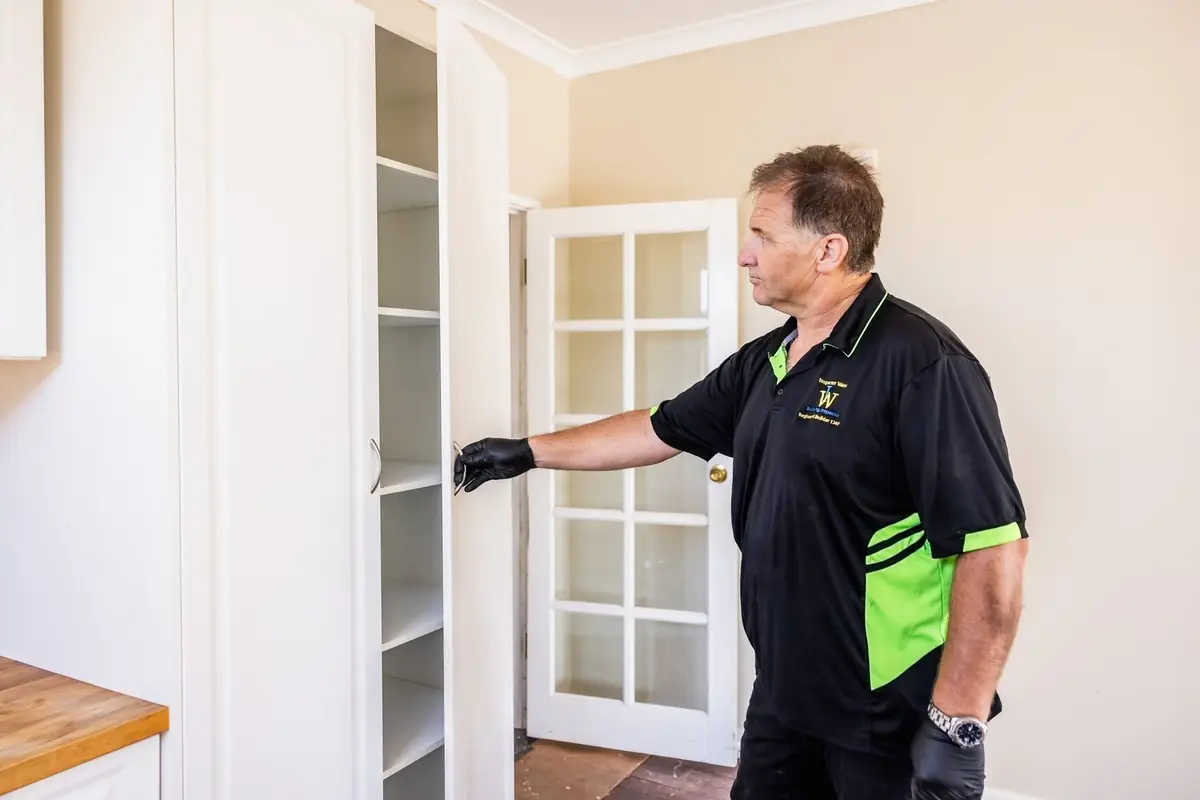
A strata records report shows what the strata company knows about, has discussed and has planned for. The Australian Standard for pre-purchase inspections points out that the records will only disclose defects that have been formally brought to the strata company’s attention, so they may not reveal every defect.
A pre-purchase building inspection of a strata lot, carried out with reference to AS 4349.1, covers the interior and immediate exterior of the lot being purchased. It does not include the common property as a whole or a review of the strata records. Where clear evidence of a major defect is found, the inspector should recommend an inspection of the common areas. Together, the two reports give a more complete picture.
Strata report FAQs
What documents must a seller provide when selling a strata lot in WA?
Before the buyer signs a contract, the seller must provide information including the scheme documents, recent general meeting minutes, the latest statement of accounts, estimated levies and any amount owed to the strata company.
Does every strata scheme in WA need a 10-year plan?
No. A 10-year plan and reserve fund are required for strata companies with 10 or more lots, or with a replacement value above a set threshold. Smaller schemes may choose to have a reserve fund.
Can a buyer inspect the strata company’s records?
Yes. A buyer who has signed a contract for a lot, as well as an owner or mortgagee, can apply in writing to the strata company to inspect its records, on payment of a small prescribed fee.
Does a building inspection cover the common property?
No. A pre-purchase building inspection of a strata lot covers the interior and immediate exterior of the lot being purchased. An inspection of the common property is a separate service.
Book a strata or pre-purchase inspection
Inspector West provides pre-purchase building inspections for strata lots, as well as strata building reports and 10-year maintenance plans for strata companies and councils of owners. Every inspection is carried out by Brian Collins, a WA registered builder (registration BC13603) with more than 33 years of building experience.
For more information, see Strata Building Reports Perth and Pre-Purchase Inspections, or call 1300 080 554, email brian@inspectorwest.com.au or use the Contact page to arrange an inspection.